

Is a Constant Runny Nose Caused by Allergies, or Could It Be Nonallergic Rhinitis?
A runny nose that never seems to stop can be frustrating, especially when it continues throughout the year. You may keep tissues nearby, wake up congested, or experience constant drainage even when you do not feel sick.
Allergies are one possible cause, but they are not the only explanation. Nonallergic rhinitis can cause many of the same symptoms without an allergic immune response. Some people also have mixed rhinitis, meaning allergic and nonallergic triggers both contribute to their symptoms.
At St. Louis Sinus Center, patients can receive an evaluation to determine whether allergies, nonallergic rhinitis, chronic sinus inflammation, or another condition may be responsible for persistent nasal drainage.
Direct Answer: Is a Constant Runny Nose Always Caused by Allergies?
No. A persistent runny nose may be caused by allergic rhinitis, nonallergic rhinitis, an infection, medication use, nasal polyps, chronic sinusitis, or another underlying condition.
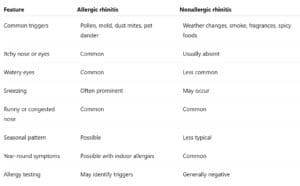
Allergic rhinitis is more likely to cause itching, sneezing, and watery eyes after exposure to allergens. Nonallergic rhinitis is more commonly triggered by temperature changes, smoke, fragrances, spicy foods, or other irritants. Because symptoms can overlap, an examination and, when appropriate, allergy testing may be needed to distinguish between them.
Why Does a Runny Nose Keep Happening?
The tissue lining the nose normally produces mucus to trap dust, allergens, microorganisms, and other particles. Most of that mucus moves toward the back of the throat and is swallowed without being noticed.
When the nasal lining becomes irritated or inflamed, it may swell or produce more mucus than usual. This can lead to:
- Clear nasal drainage
- Nasal congestion
- Postnasal drip
- Sneezing
- Frequent throat clearing
- Coughing
- Irritation around the nostrils
Several conditions can produce these symptoms, and the appropriate treatment depends on the underlying cause.
What Is Rhinitis?
Rhinitis refers to inflammation or irritation of the tissue lining the nose. The two primary categories are allergic rhinitis and nonallergic rhinitis.
According to the American Academy of Allergy, Asthma and Immunology, allergic rhinitis occurs when the immune system reacts to an allergen. Nonallergic rhinitis causes similar nasal symptoms without an allergic immune response.
Rhinitis may be temporary, recurring, or chronic. Symptoms that continue for weeks or months may warrant an evaluation, particularly when they affect sleep, breathing, work, or daily comfort.
What Does Allergic Rhinitis Feel Like?
Allergic rhinitis develops when the immune system reacts to a substance that is generally harmless. Common triggers include:
- Tree, grass, and weed pollen
- Dust mites
- Mold
- Pet dander
- Cockroach particles
Seasonal allergic rhinitis tends to flare when specific outdoor allergens are present. Perennial allergic rhinitis may cause symptoms throughout the year because indoor allergens can remain present during every season.
Common signs of allergic rhinitis include:
- Clear, watery nasal drainage
- Frequent sneezing
- An itchy nose, throat, or roof of the mouth
- Itchy or watery eyes
- Nasal congestion
- Symptoms that appear after exposure to a particular allergen
Itching and eye symptoms are especially helpful clues because they are more characteristic of allergic rhinitis than nonallergic rhinitis. However, symptoms alone cannot always confirm the cause.
What Is Nonallergic Rhinitis?
Nonallergic rhinitis causes a stuffy or runny nose without an allergic reaction. The nasal lining may be unusually sensitive to environmental conditions or everyday irritants.
Possible triggers include:
- Cold or dry air
- Rapid changes in temperature or humidity
- Tobacco smoke, wildfire smoke, or air pollution
- Perfume and other strong fragrances
- Cleaning chemicals or occupational fumes
- Spicy foods
- Alcohol
- Hormonal changes
- Certain medications
Some people develop symptoms after eating, during weather changes, or when entering an air-conditioned or heated environment. Others experience symptoms without an obvious trigger.
Unlike allergic rhinitis, nonallergic rhinitis is less likely to cause significant itching of the nose, eyes, or throat. Symptoms may occur throughout the year rather than following a predictable pollen season.
Can Someone Have Both Types of Rhinitis?
Yes. Mixed rhinitis occurs when a person has both allergic and nonallergic triggers.
For example, someone may develop sneezing and itchy eyes during pollen season but also experience nasal drainage after exposure to perfume or cold air. Allergy treatment may improve the pollen-related symptoms without completely resolving the reactions to nonallergic triggers.
Recognizing mixed rhinitis can help explain why a treatment that addresses allergies provides only partial improvement.
Signs That May Help Distinguish the Two
Although an evaluation may be needed for a diagnosis, certain symptom patterns can provide useful clues.
These patterns are not absolute. Some patients have overlapping symptoms or more than one nasal condition.
 Could Something Else Be Causing the Drainage?
Rhinitis is common, but it is not the only possible cause of persistent nasal drainage.
Chronic sinusitis
Chronic sinus inflammation may cause congestion, facial pressure, reduced smell, postnasal drip, and thick drainage. Symptoms generally continue for at least 12 weeks.
Nasal polyps
Nasal polyps are noncancerous growths associated with inflammation inside the nose and sinuses. They may contribute to congestion, reduced smell, postnasal drip, and difficulty breathing through the nose.
A deviated septum
A deviated septum primarily affects airflow, but it may occur alongside dryness, irritation, congestion, or other nasal conditions. A deviation by itself does not typically explain continuous watery drainage.
Medication-related rhinitis
Certain medications may contribute to nasal symptoms. Overusing topical decongestant sprays can cause rebound congestion, also called rhinitis medicamentosa. Other medications may affect nasal blood vessels or mucus production.
Patients should not stop a prescribed medication without speaking with the prescribing healthcare provider.
Infection
A cold can cause temporary nasal drainage, congestion, and coughing. Most viral respiratory symptoms gradually improve. Symptoms that persist, worsen after initially improving, or repeatedly return may have another cause.
A cerebrospinal fluid leak
A cerebrospinal fluid leak is uncommon, but it is important not to overlook. Clear, watery drainage that occurs mainly from one nostril—particularly after head trauma or sinus surgery, or when accompanied by a salty or metallic taste—should receive prompt medical evaluation.
How Is the Cause Diagnosed?
An ENT evaluation begins with a detailed discussion of when symptoms started, whether they occur seasonally, and which environments or activities make them worse.
The provider may examine the nasal passages for:
- Swelling or irritation
- Nasal drainage
- Polyps or other growths
- Structural narrowing
- Signs of chronic sinus inflammation
- Crusting, bleeding, or infection
Nasal endoscopy may be appropriate when a more detailed view is needed. If allergic rhinitis is suspected, skin or blood testing may help identify specific allergens. Imaging is not routinely necessary for uncomplicated rhinitis but may be considered when symptoms or examination findings suggest chronic sinus disease or another underlying condition.
How Is Persistent Rhinitis Treated?
Treatment depends on the diagnosis, symptoms, and individual health factors.
For allergic rhinitis, a healthcare provider may recommend reducing exposure to identified allergens and using an appropriate medication, such as a corticosteroid nasal spray, antihistamine, or another allergy treatment. Allergy immunotherapy may be considered for certain patients with confirmed environmental allergies.
For nonallergic rhinitis, treatment may focus on avoiding known irritants and controlling the most bothersome symptom. Different prescription nasal sprays may be used for congestion or excessive watery drainage.
Saline sprays or rinses may help remove irritants and moisturize the nasal passages. Nasal irrigation should be performed only with distilled, sterile, or previously boiled and cooled water, and the device should be cleaned after use.
Not every treatment is appropriate for every patient. An ENT or allergy care provider can recommend options based on the suspected cause, other medical conditions, and medications already being used.
When Should You Schedule an Evaluation?
Consider scheduling an evaluation with an ENT clinic in St. Louis if:
- Nasal drainage continues for several weeks
- Symptoms occur throughout the year
- Over-the-counter allergy treatment does not help
- Congestion or postnasal drip affects sleep or daily activities
- Symptoms repeatedly return
- Facial pressure or reduced smell develops
- Drainage is bloody, foul-smelling, or consistently one-sided
- You are uncertain which triggers are causing your symptoms
Seek prompt medical care for difficulty breathing, swelling around the eyes, vision changes, severe headache, confusion, neck stiffness, or clear one-sided drainage following a head injury or sinus procedure.
Find the Cause of a Constant Runny Nose
A constant runny nose is not always caused by seasonal allergies. Allergic rhinitis, nonallergic rhinitis, mixed rhinitis, chronic sinus inflammation, medications, and structural conditions can produce overlapping symptoms.
Identifying when symptoms occur—and what triggers them—can help guide the evaluation. Contact St. Louis Sinus Center to discuss persistent nasal drainage and determine which treatment options may be appropriate based on the underlying cause.